

IQ MPS
IQ Microphysiological Systems Affiliate

An Affiliate of the International Consortium for Innovation and Quality in Drug Development
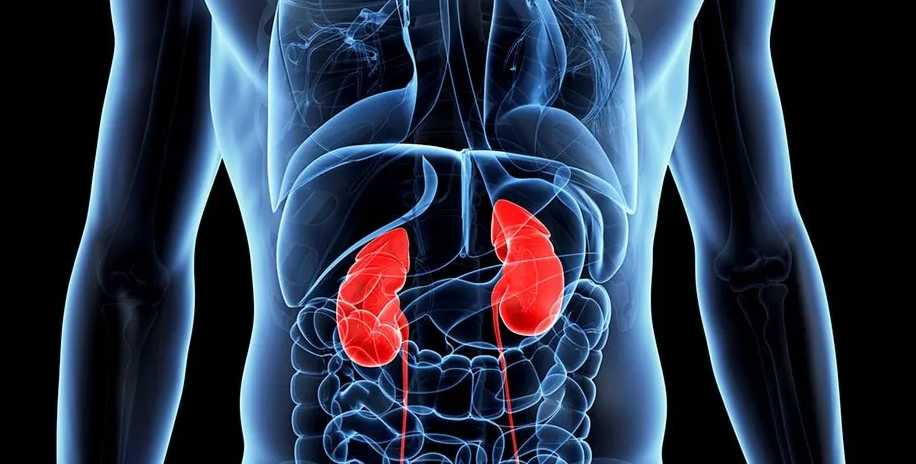
NEW | Renal Proximal Tubule Microphysiological System Testing for Toxicology Biomarkers
This Request for Information (RFI) and Request for Proposal (RFP) process invites kidney microphysiological systems (MPS) developers to apply to partner with IQ MPS to conduct a study assessing the ability of kidney MPS to predict drug-induced renal proximal tubule injury and replicate human-relevant safety biomarker profiles by comparing in vitro results with in vivo data (human, rat, dog, and NHP).
About
Kidneys are critical for the elimination of many drugs and metabolites via the urine, filtering waste and maintaining proper fluid and electrolyte balance. Proximal tubule epithelial cells are the main driver of renal transport and secretion of xenobiotics, making them susceptible to drug-induced kidney injury, which can be a dose-limiting factor in pharmacotherapy and potentially lead to organ failure. The clinical incidence of drug-induced kidney injury is in the range of 14-26% (Awdishu et al, BMC Nephrology, 2017). There is a need for more predictive, human-relevant models to screen for nephrotoxicity liabilities during the drug discovery and development process. In addition, mismatch between preclinical and clinical readouts warrant additional investigation using in vitro proximal tubule models from different species.
The IQ MPS Affiliate (IQ MPS) and the Critical Path Institute (C-Path) seeking information and proposals from developers of novel renal proximal tubule MPS. These novel renal proximal tubule MPS should ideally have a clear mechanistic rationale that not only recapitulates critical renal functions, such as active transporter-mediated uptake, but also demonstrates improved clinical predictivity for key toxicological responses. In addition, platforms that enable meaningful cross-species comparisons and improve our understanding of species-specific and human-relevant responses are of strong interest. While a single model capable of addressing all toxicological endpoints would be desirable, it is not the primary objective. Emphasis will be placed on endpoint-specific predictivity of clinical outcomes, translational relevance across species, and demonstrated utility in supporting drug discovery and development decisions, as these factors will be most critical for future adoption of these systems.
Technical Requirements
For the purposes of this RFI/RFP, MPS refers to models that encompass two or more of the following: multi-cellular/multi-layered tissue, microfluidics, stretch, derived of primary or stem cell-derived cells, or include an immune cell component. Specifically, this project seeks to investigate models such as organoids, microtissues, organs-on-a-chip, or a combination thereof.
The renal proximal tubule MPS would ideally be viable and amenable to multi-day, repeated apical and/or basal dosing and exhibit appropriate barrier function and key ADME-related gene expression, localization, and activity (e.g. OAT1, OCT2 and megalin/cubulin).
Application Process
Publication of this Request for Information (RFI)/Request for Proposal (RFP) is the first step by IQ MPS and C-Path to solicit interest in collaborating on the testing of kidney MPS for specific contexts of use (e.g., pharmacology, drug metabolism, toxicology, etc.) in drug development. In addition to information about the MPS, IQ MPS and C-Path request details on the proposed study design and associated costs. Proposals should include cost information for each preclinical species version of the MPS.
The information collected during this process will be evaluated by IQ MPS and C-Path members to aid in selection of respondent(s) to move forward with study initiation.
To apply download the Request for Information below and please email: catherine.mattia@faegredrinker.com